Introduction: A Crisis Revealing Deep Inequities
When Cyclone Gabrielle devastated the North Island of Aotearoa New Zealand in February 2023, it laid bare the stark disparities in disaster response and recovery. For Hauraki Māori communities, some remained cut off from official civil defence support for up to 15 days. This emergency wasn’t simply a weather event it became a powerful lens exposing generations of systemic inequities and the remarkable resilience of tangata whenua in crisis situations.
As researchers documenting the aftermath, we witnessed how Hauraki Māori communities mobilised their own life saving response networks when official systems failed to reach them. Drawing on deep traditional knowledge, strong community connections, and cultural values of manaakitanga and whanaungatanga, these communities implemented effective disaster strategies despite scarce resources.
The Housing Crisis Within the Crisis
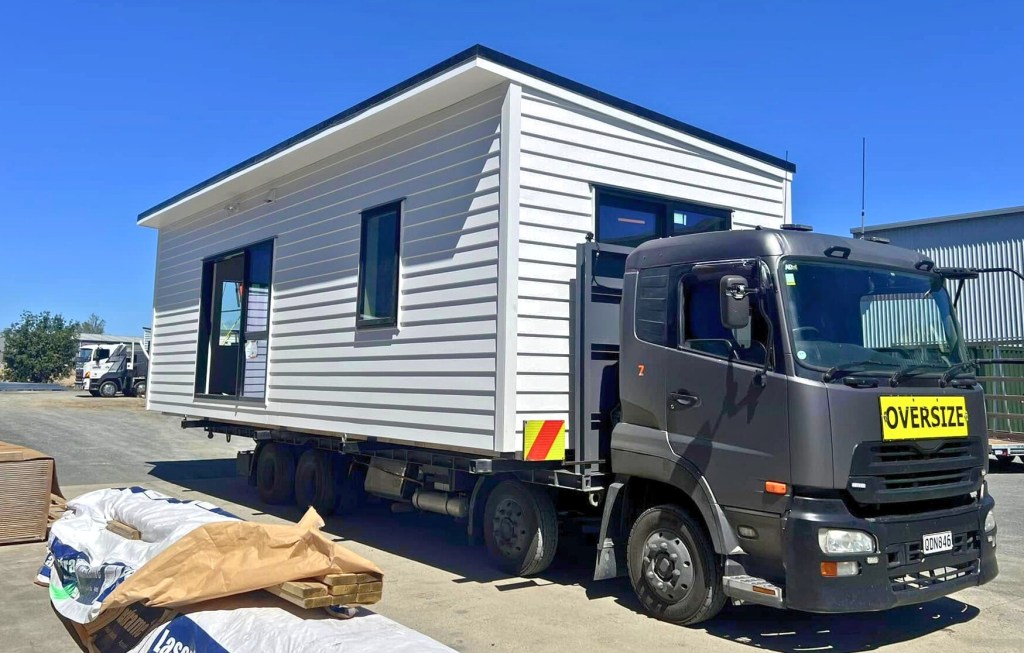
The devastation from Cyclone Gabrielle exacerbated an already challenging housing situation for many Hauraki Māori. Damaged homes required major repairs, leaving whānau without adequate shelter. From this urgent need, an award winning tangata whenua social service conceptualised the Hauraki Relocatable Housing Project a beacon of hope across land rich but cash poor Māori communities.
“The housing repair project came through that, and initially the cabins were for whānau that were going to be out of their homes while they were being repaired. Because they were major, major repairs,” one resident explained during our interviews.
The initiative aimed to provide affordable, flexible living solutions at a time when official emergency housing support was falling short. As another participant put it bluntly:
“We can’t wait around for bureaucracy to stroke their white egos, whānau are in trouble so our work ethic is ‘just get on and do the job.’”
Navigating the “Bureaucratic Assault Course”
While funding for the relocatable housing cabins came from the Ministry of Housing and Urban Development (MHUD), implementing the project revealed significant institutional barriers. Thames Coromandel District Council’s (TCDC) processes were described by participants as a “bureaucratic assault course” characterised by outdated housing data and rigid requirements ill suited to on the ground realities.
“In the beginning, no, they weren’t helpful. We had pre planned, had strategic meetings, and so to be fair, no, they were not helpful at all,” a resident shared during our research interviews.
Our findings revealed that Māori communities had been dealing with complicated land ownership and trust structures for years. They had been meeting with TCDC to address compliance regulations and establish collective living arrangements long before the cyclone hit. However, the constantly changing laws and prohibitively expensive consent requirements created significant barriers for whānau trying to rebuild after the disaster.
The relocatable housing project therefore required careful negotiations with landowners, trustees, and whānau to ensure the cabins could be placed and occupied. This often meant navigating multiple layers of regulations never designed with Māori collective land ownership models in mind.
The Power of Community Mobilisation
Despite these challenges, the project began with what participants described as “high hopes” and a profound sense of collective purpose. “We saw it as an opportunity to create a community that was resilient and adaptable,” one kaimahi shared.
Services, key stakeholders, kaimahi, and whānau came together, pooling resources and ideas to overcome the obstacles. This collaborative approach reflected the broader pattern we observed in our research Hauraki Māori communities activating networks established during previous crises, particularly COVID 19.
“It started in 2020 with COVID going international… we created our own response to our own needs at the time, which was the birth of [name of ropu],” explained one participant. These pre established coordination networks enabled rapid mobilisation when Cyclone Gabrielle struck, with communities “up and running within 6 to 12 hours without external direction.”
Learning Through Implementation
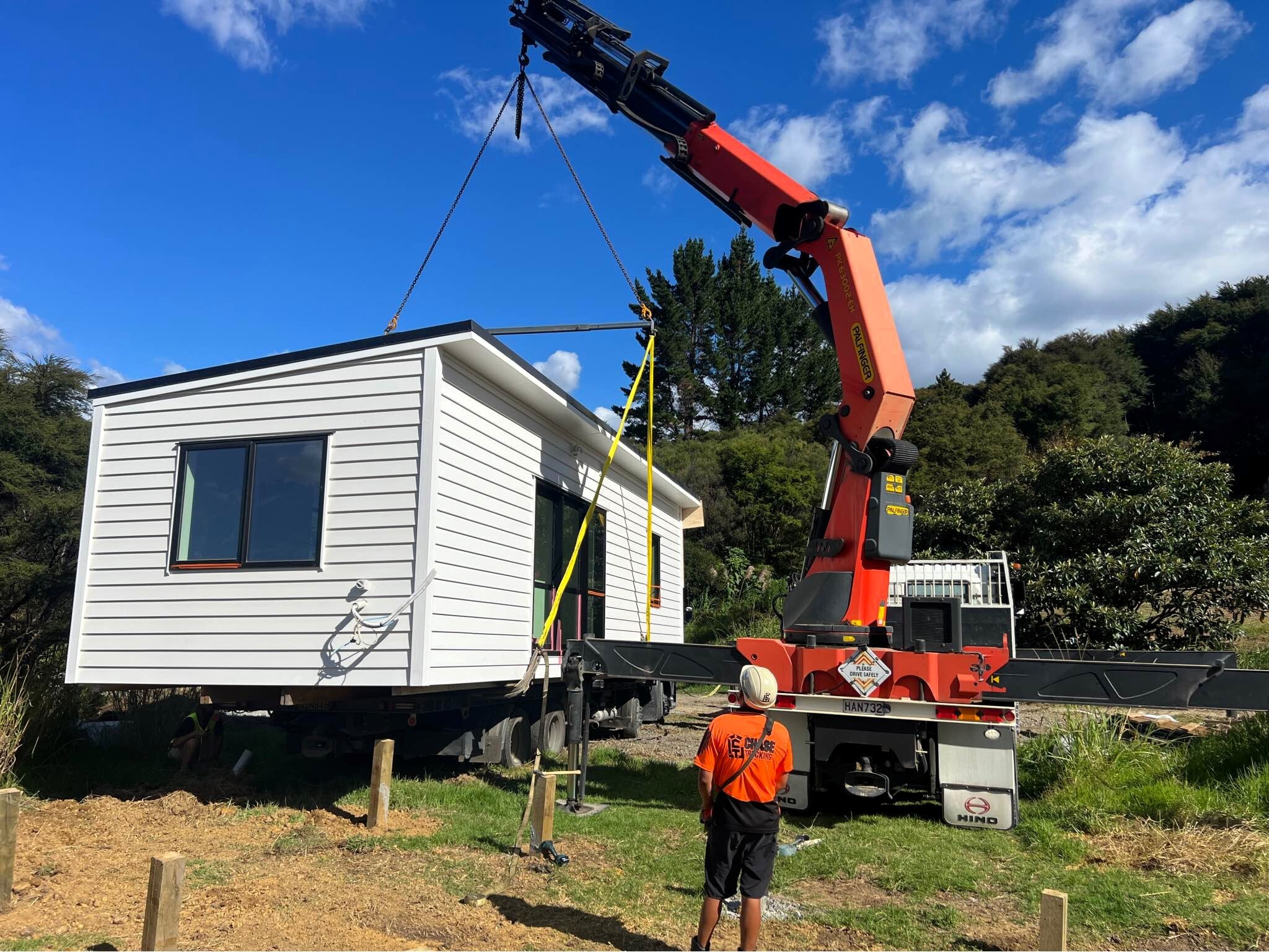
The practical implementation of the relocatable housing project proved to be an evolving learning experience. “Moving the houses was a logistical nightmare,” one kaimahi explained during our interviews. “We had to coordinate with local authorities, ensure the roads were clear, and sometimes even deal with unexpected weather conditions.”
Another recounted a particularly challenging experience: “During one move, a sudden storm hit. We had to halt everything and secure the whare to prevent damage. It was nerve wracking.”
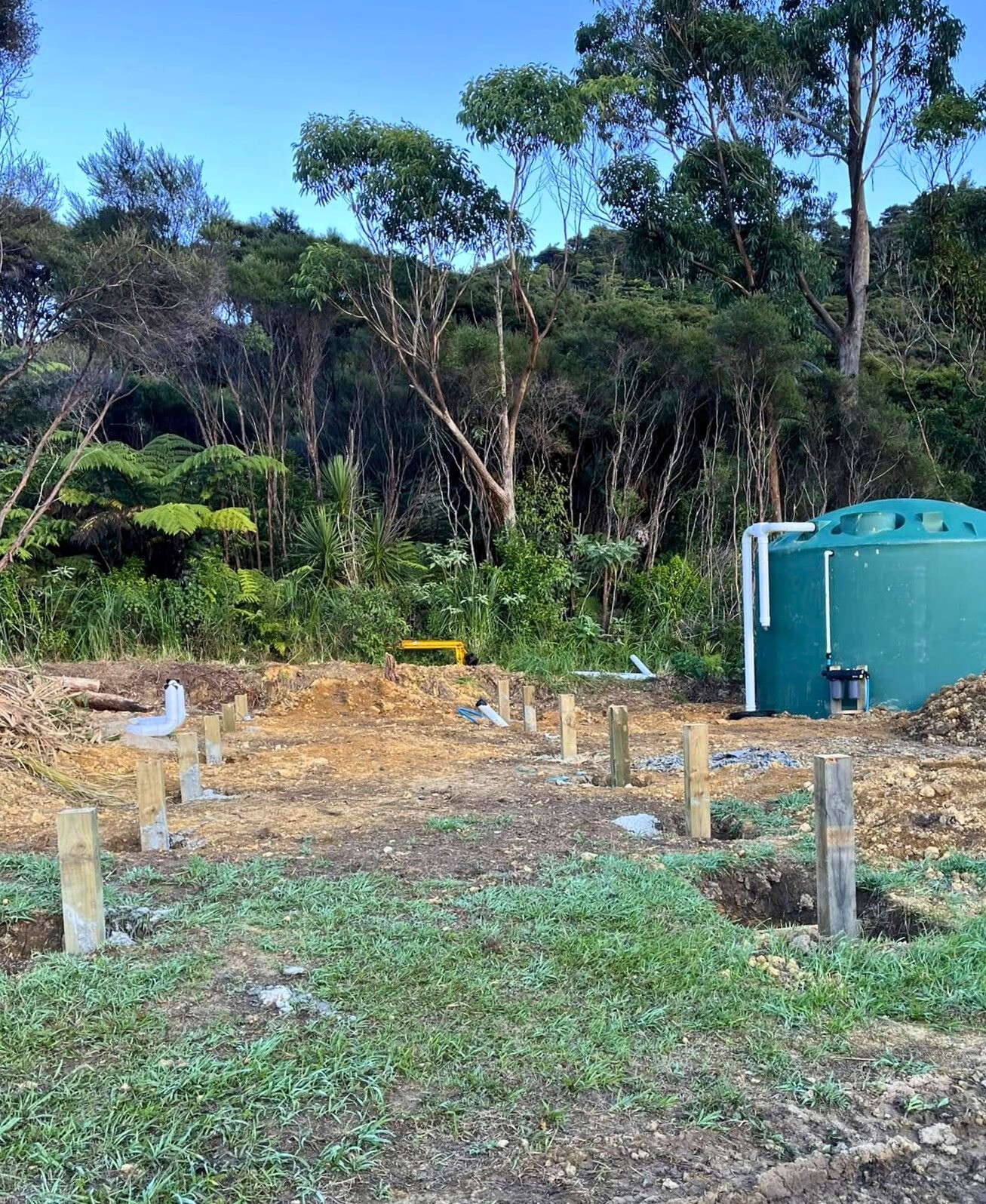
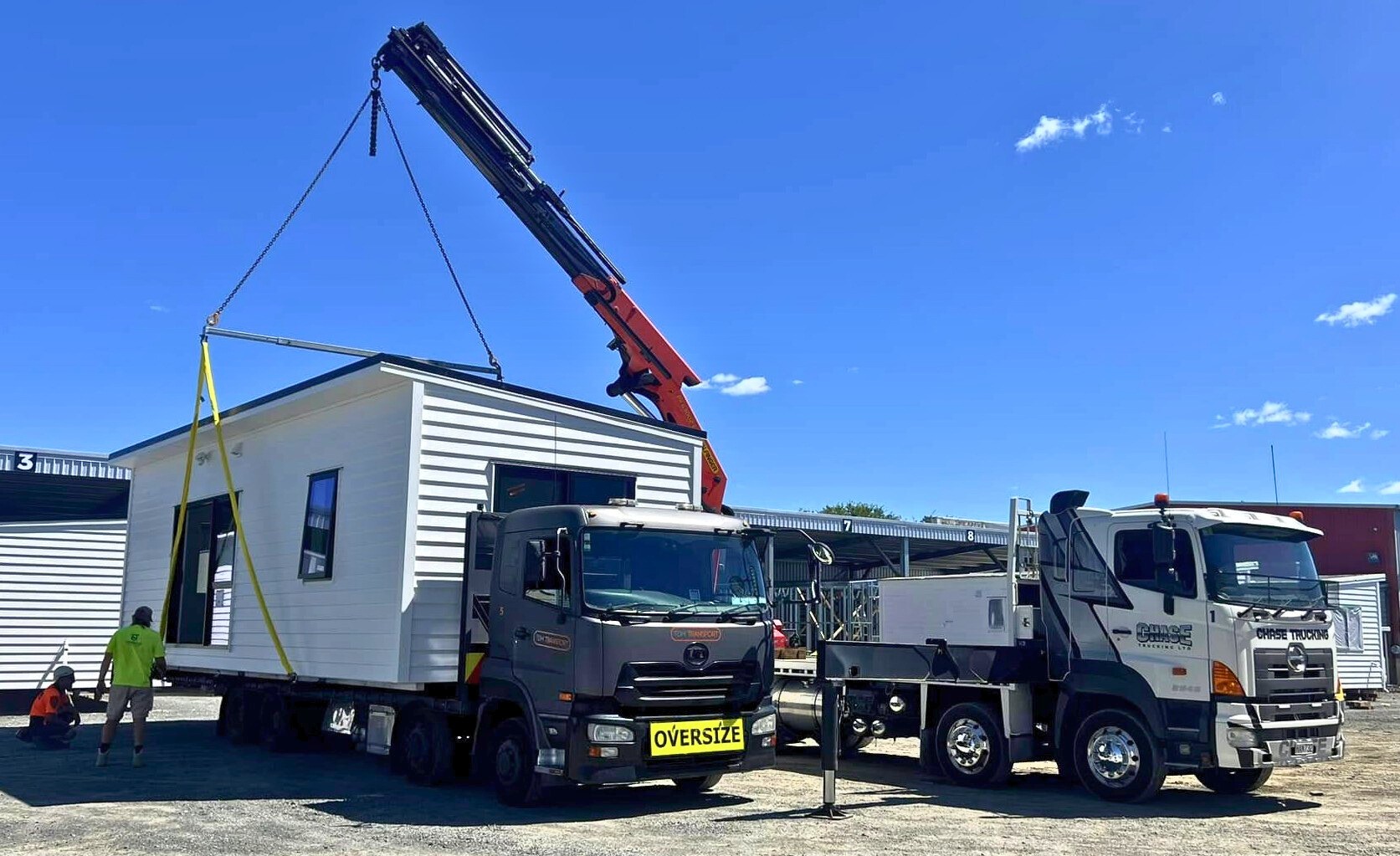
Delivering and installing the cabins required adaptability. “Initially we put in the water tanks and the septic tanks before the cabins were delivered, and we learned from that, that wasn’t a good idea,” a kaimahi explained. The team quickly revised their approach, ensuring foundations were properly in place before cranes lowered the cabins into position.
As the months passed, the project evolved, learning from what didn’t work and refining what did. “We became more efficient with each move. We developed better systems for coordinating the logistics and managing the infrastructure. We started to anticipate community problems before they happened, which made a huge difference,” one team member noted.
Beyond Shelter: Transformative Impact
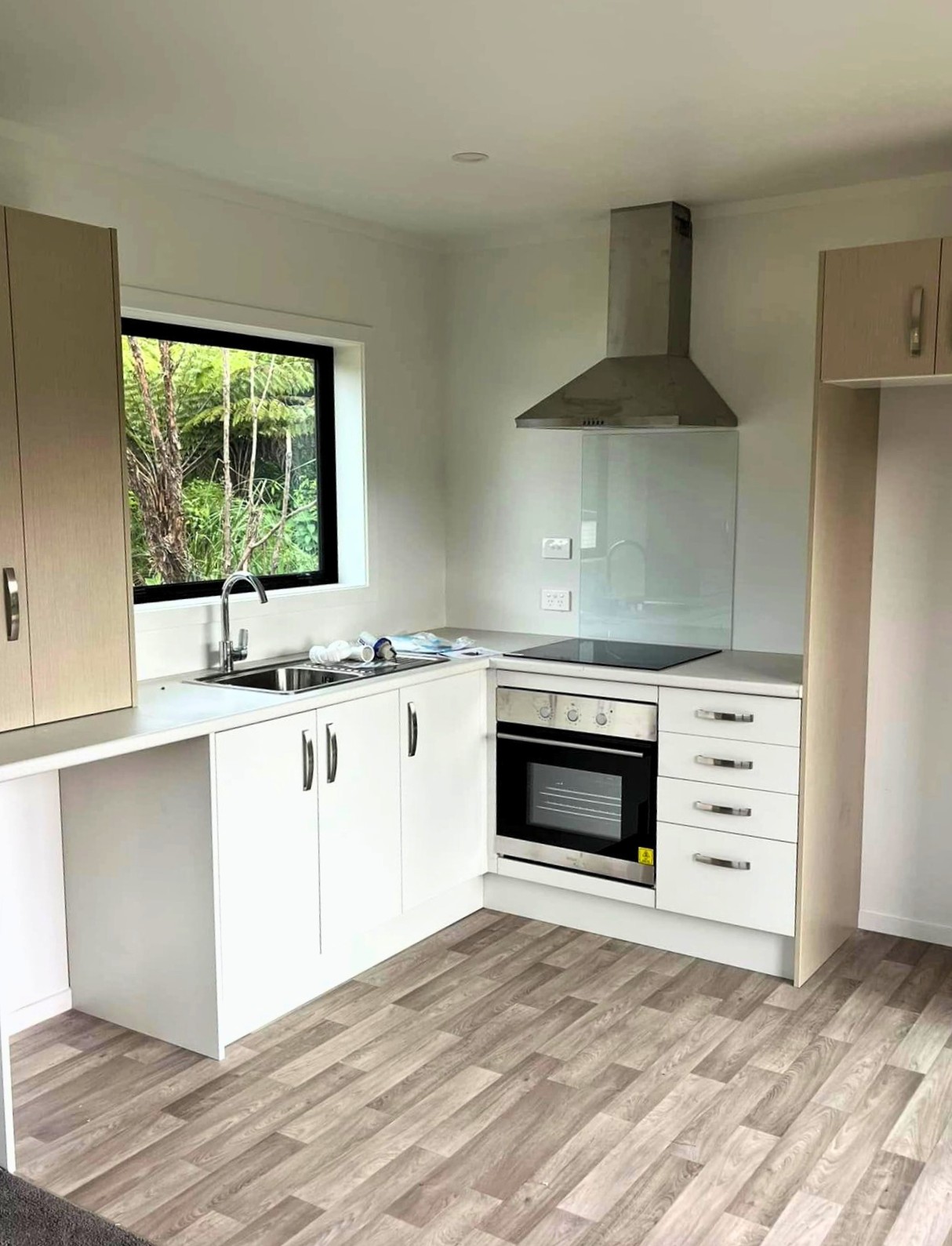
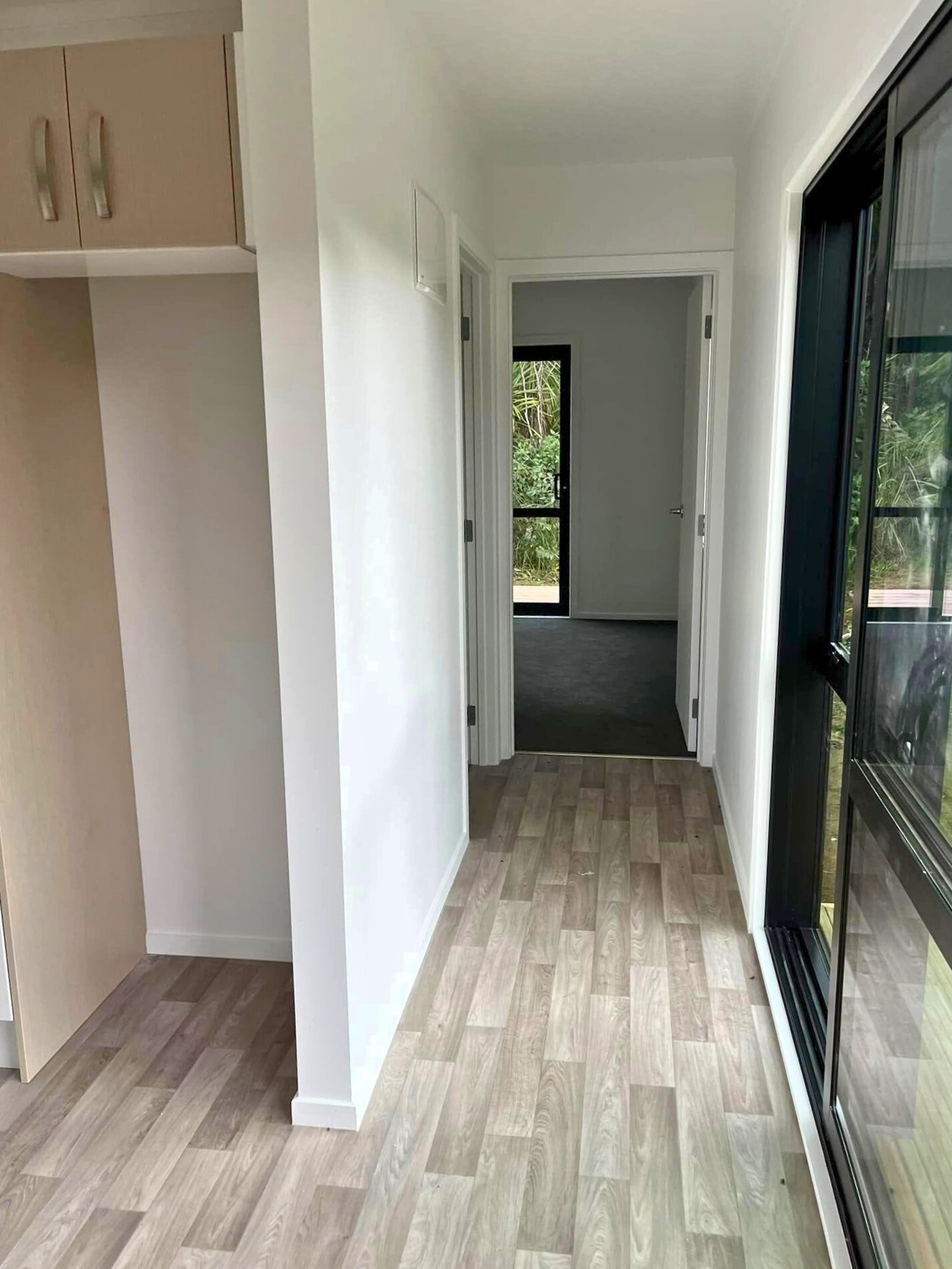
The most profound aspects of the relocatable housing project extended far beyond providing physical shelter. Our research documented how these cabins became powerful symbols of dignity, hope, and belonging for whānau.
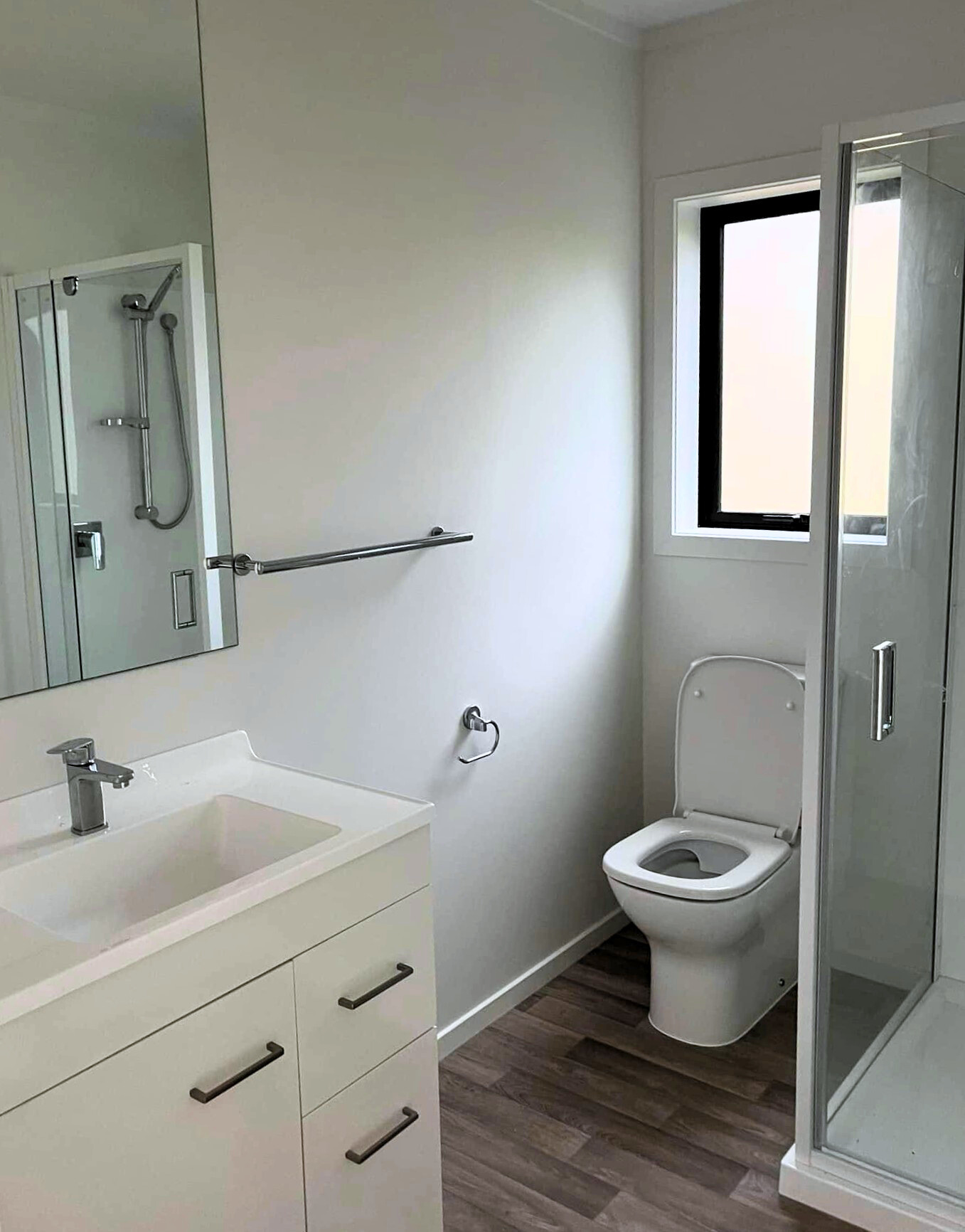
One of the most moving accounts came from a kaimahi who described a woman who had been living in a shed with no plumbing and a bucket for a toilet:
“She wailed. She wailed. And when she could see the truck coming from the corner, till they’d landed, she just wailed, so that there was huge calling, calling herself home, and all her nieces, who I believe they’d all fallen out for one reason or another, they all came there to tautoko her and they were wailing. And so, it was like, you’re at a tangi. It was, it was a real welcome home.”
The project’s impact rippled through relationships and community dynamics. “It’s completely changed her life. It’s changed the person down on the beach who was one of our controversials,” a kaimahi shared. The woman herself expressed profound gratitude: “Thank god for [name], thank god for leaders like her who show us we’re valued, worth something.”
The relocatable cabins offered more than immediate shelter they provided a pathway to home ownership through a rent to buy model, making a dream that had once seemed unattainable more accessible for many Hauraki whānau.
A Study in Contrasts: Official Response vs. Community Action
Our research revealed stark contrasts between the community led housing initiative and official disaster response systems. While the project team worked tirelessly to meet immediate housing needs, many participants reported significant failures in civil defence support.
“Civil defence did not provide necessary resources, leading us to rely on our own networks and advocacy,” one key informant noted. Communities reported having to advocate extensively for basic resources like generators and safety kits, which were eventually provided but significantly delayed.
The inequitable distribution of emergency resources was particularly concerning. During Cyclone Gabrielle, a marae urgently needing a generator was told none were available, while helicopters delivered generators to wealthier, predominantly non Māori communities. This example illustrates how power dynamics and systemic biases influenced emergency resource allocation, undermining stated priorities and eroding trust.
Some participants identified what they described as institutional racism in disaster response: “Civil defence arrives and it’s going to take all of our equipment to give to other people. It just reeks of 21st century, well tuned, well oiled institutional racism.”
The Context of Historical Trauma
TCDC participants in our research acknowledged significant barriers to effective disaster response, particularly highlighting historical trauma. “Small Māori communities especially, have historical trauma when it comes to dealing with councils, which has, in effect, made them less resilient and engaging,” one participant noted.
This mistrust stemmed from past actions: “Pushing someone to court or removing them from their home four times, it doesn’t really engender very good relationships.” Another acknowledged: “I understand it now… that mistrust is historical stuff… There is real mistrust.”
The relocatable housing project emerged within this complex historical context, where previous interactions with authorities had often resulted in disappointment, exclusion, or outright harm. The project’s success despite these barriers speaks to the determination and ingenuity of Hauraki Māori communities.
Building Sustainable Solutions
As the project progressed, it began attracting attention beyond the immediate community. “People from other towns came to see what we were doing,” one resident shared. “They were curious about how we made it work and wanted to learn from our experiences.”
The success showcased the years of knowledge and relationships that Hauraki Māori communities have developed in the disaster response space. This expertise was particularly evident in how communities maintained networks and relationships with key people in health and hygiene, positioning emergency equipment and supplies on site thanks to funding from various organisations.
Community gardens emerged as complementary initiatives supporting food security while strengthening community relationships. “I’m working on a community garden project with some of our communities; we’re doing a food forest,” one participant explained. These projects built resilience by addressing immediate food security concerns while fostering deeper community connections.
Implications for Future Disaster Response
Our research into the Hauraki Relocatable Housing Project carries significant implications for disaster management policy and practice in Aotearoa New Zealand. The findings demonstrate that effective disaster response requires fundamental changes in how authorities engage with Māori communities:
- Recognition of Māori ecological wisdom: Hauraki Māori hold intergenerational responsibility as kaitiaki, deeply attuned to their whenua, whakapapa, and the rhythms of te taiao. This ecological knowledge should be central to disaster planning, not marginalised.
- Addressing systemic failures: The lack of institutional support for Māori communities during Cyclone Gabrielle exposed deep inequities in disaster management. A just and effective model requires shifting from a Crown led disaster framework to one where Māori have mana whakahaere over disaster preparedness and response.
- Recognising economic disadvantages: Housing recovery efforts following the cyclone revealed economic marginalisation in Hauraki Māori communities. Many whānau are land rich but cash poor, a reality shaped by historical land alienation and economic exclusion.
- Supporting Māori led emergency centres: Civil Defence should fund and support Māori led emergency centres that uphold whakapapa and collective wellbeing. These centres, rooted in whānau, hapū, and iwi governance, offer a proven alternative to centralised approaches.
Conclusion: Beyond Resilience to Structural Change
The story of the Hauraki Relocatable Housing Project is simultaneously inspiring and challenging. It demonstrates the remarkable resilience and innovation of Māori communities while exposing the systemic failures that necessitated such self reliance in the first place.
While our research documents this community resilience, it also raises critical questions about what should reasonably be expected of communities in crisis. The data suggest that resilience alone is insufficient systemic change is needed. Whānau should not have to continually fight for recognition or navigate structures that work against them.
A fundamental shift in disaster preparedness and response requires centring Māori knowledge, leadership, and governance as integral components, not afterthoughts. The evidence from this case study reinforces that only a Māori led, Tiriti based model can ensure just and effective disaster response and recovery for Hauraki Māori communities.
The relocatable housing initiative stands as a powerful testament to community determination and innovation. The experiences documented here offer valuable lessons that could pave the way for more equitable and effective housing solutions in disaster contexts. Because ultimately, as one participant told us, “It’s not just about bricks and mortar, it’s about building the groundwork for Hauraki whānau to thrive.”
Paora Moyle is Kaihautū Rangahau at Te Whāriki Manawāhine O Hauraki, where we just got on with living solution relocatable housing for Māori communities, despite the impact of either colonial-constructed crises, or natural ones.
 POUHINE
You must be logged in to post a comment.